

 Who We Are:
- The AREC is a multi-use environmental education center located in Anacostia Park, SE run by DOEE.
- It opened in 1986 and renovated in 2005 to include classrooms and aquaculture.
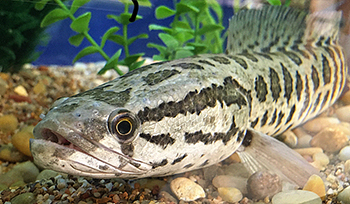
- The center exhibits a variety of fish, amphibians, reptiles, and invertebrates found in the District and the Chesapeake Bay.
Learn more about the AREC and wildlife found in the District by watching the following AREC tour:
Programs We Offer
Pre-K thru12th Grade Field Trips: The Aquatic Resources Education Center (AREC) is open for field trips for Pre-K thru 12th grade students. We offer tours of the AREC and aquatic-based environmental education lessons. Please sign-up using our Office Form and email [email protected] with any questions.
 Fish Art Contest:
Celebrate the beauty of the District's local fish species with Wildlife Forever's Fish Art Contest.
Learn more & submit entry >>
Professional Development:
- Teacher Trainings: Training workshops are available for formal and informal educators. We train educators using Project WILD, Aquatic WILD and Growing Up WILD curricula. We also provide Angling Instructor workshops. Read more>>
Angler Education & Clinics:
- The AREC team offers free fishing clinics throughout the spring, summer, and fall in various locations throughout the District. Take a minute to explore DOEE's Learn to Fish and Fishing in the District pages to learn more.
 Aquatic Resources Education Center Location
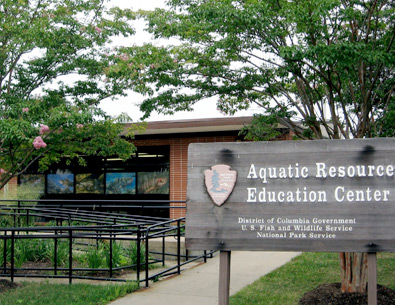
1900 Anacostia Drive SE
Washington, DC 20020
Inside Anacostia Park, Section E
(next to Skating Pavilion) (see map)
Phone: (202) 535-2276 | Email [email protected]
AREC Hours of Operation:
- Monday - Closed
- Tuesday - 10AM-12PM Open for School Programs; 1PM-3PM Open for School Programs & Walk-In Visitors
- Wednesday - 10AM-12PM Open for School Programs; 1PM-3PM Open for School Programs
- Thursday - 10AM-12PM Open for School Programs; 1PM-3PM Open for School Programs & Walk-In Visitors
- Friday - 10AM-12PM Open for School Programs; 1PM-3PM Open for School Programs & Walk-In Visitors
 Our free programs
 would not be possible without generous support from the U.S. Fish & Wildlife Service's Sport Fish Restoration Program. Take a minute to explore USFWS's Sport Fish Restoration webpage to learn more about the program.
